Solutions

Automate Inbonds with AI-Powered Customs Automation

Process IT, T&E, and IE in-bond movements in minutes instead of hours. Cervo AI extracts data from shipping documents, tracks deadlines across ports, and validates every filing against CBP requirements.
The Challenge

Why Manual In-Bond Processing Breaks Down at Scale

In-bond movements let cargo travel between U.S. ports or to export points without paying duties at arrival. But managing IT, T&E, and IE bonds manually means juggling deadlines, coordinating across ports, and risking CBP penalties when things slip through the cracks.

Deadline Tracking Across Multiple Ports

Every in-bond movement has strict time limits for cargo to arrive at the destination port. With shipments moving between multiple ports simultaneously, brokers must track dozens or hundreds of deadlines manually. A single missed deadline can trigger penalties and CBP scrutiny that affects your entire operation.

Paperwork Spread Across Locations

In-bond filings require coordination between the port of arrival, the destination port, and sometimes intermediate stops. Documents are scattered across emails, carrier systems, and port records. Reconciling movements when information lives in disconnected systems is time-consuming and error-prone.

Penalties for Late or Inaccurate Filings

CBP enforces in-bond compliance rigorously. Late arrivals, failure to report, and data inaccuracies can result in penalties, bond sufficiency reviews, and potential loss of in-bond privileges. For brokerages handling high volumes, even a small error rate creates significant financial and operational risk.

Disconnected from Entry Workflows

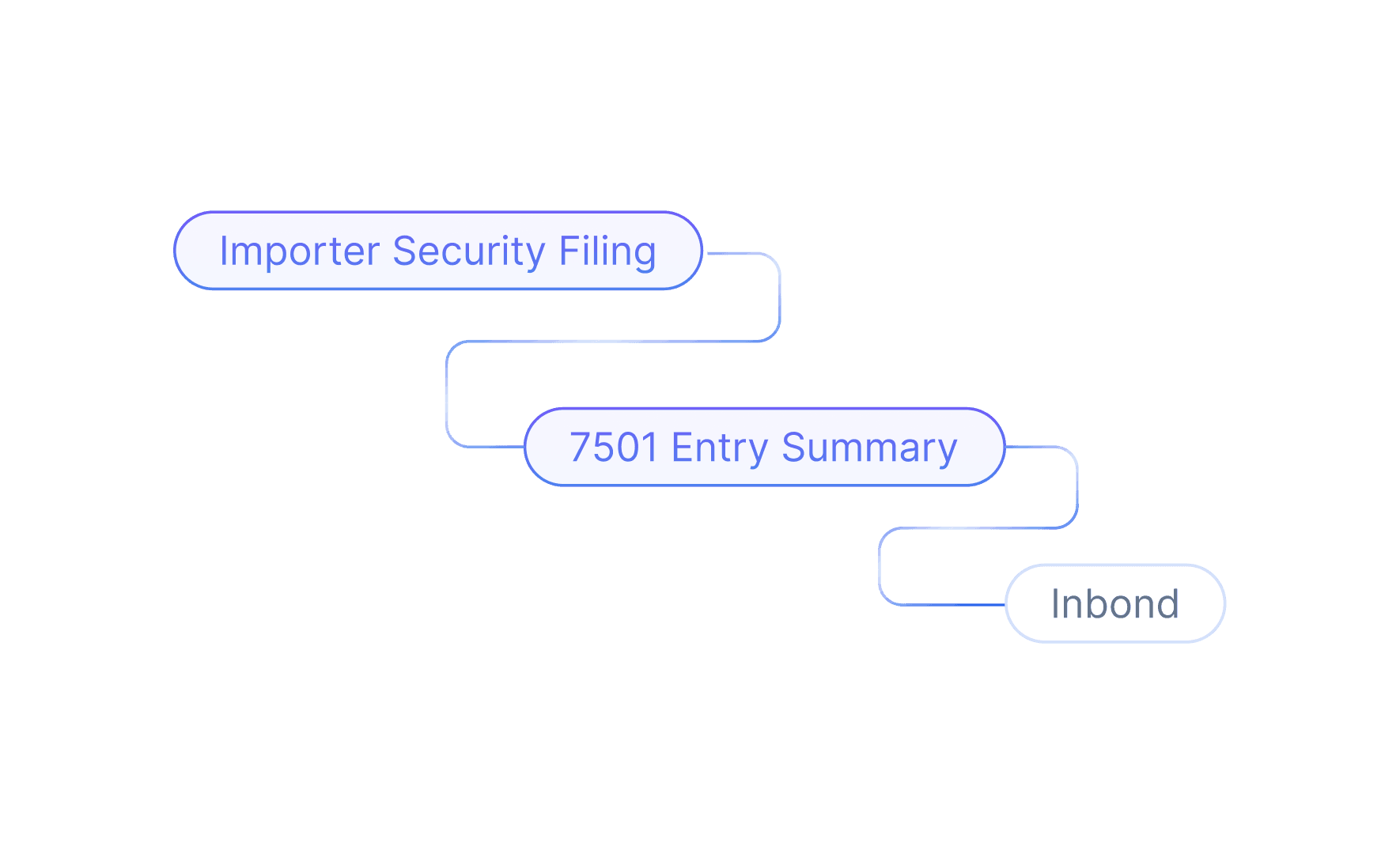
In-bond data is often entered separately from the 7501 entry process, leading to duplicate data entry, inconsistencies between filings, and wasted time re-keying information that was already captured. Without integration, brokers lose the efficiency gains that should come from having the data in hand.

How It Works

How Cervo AI Automates In-Bond Processing

From document intake to validated filing, Cervo replaces the manual steps that slow down in-bond movements and create compliance risk.

1

Upload Documents from Any Source

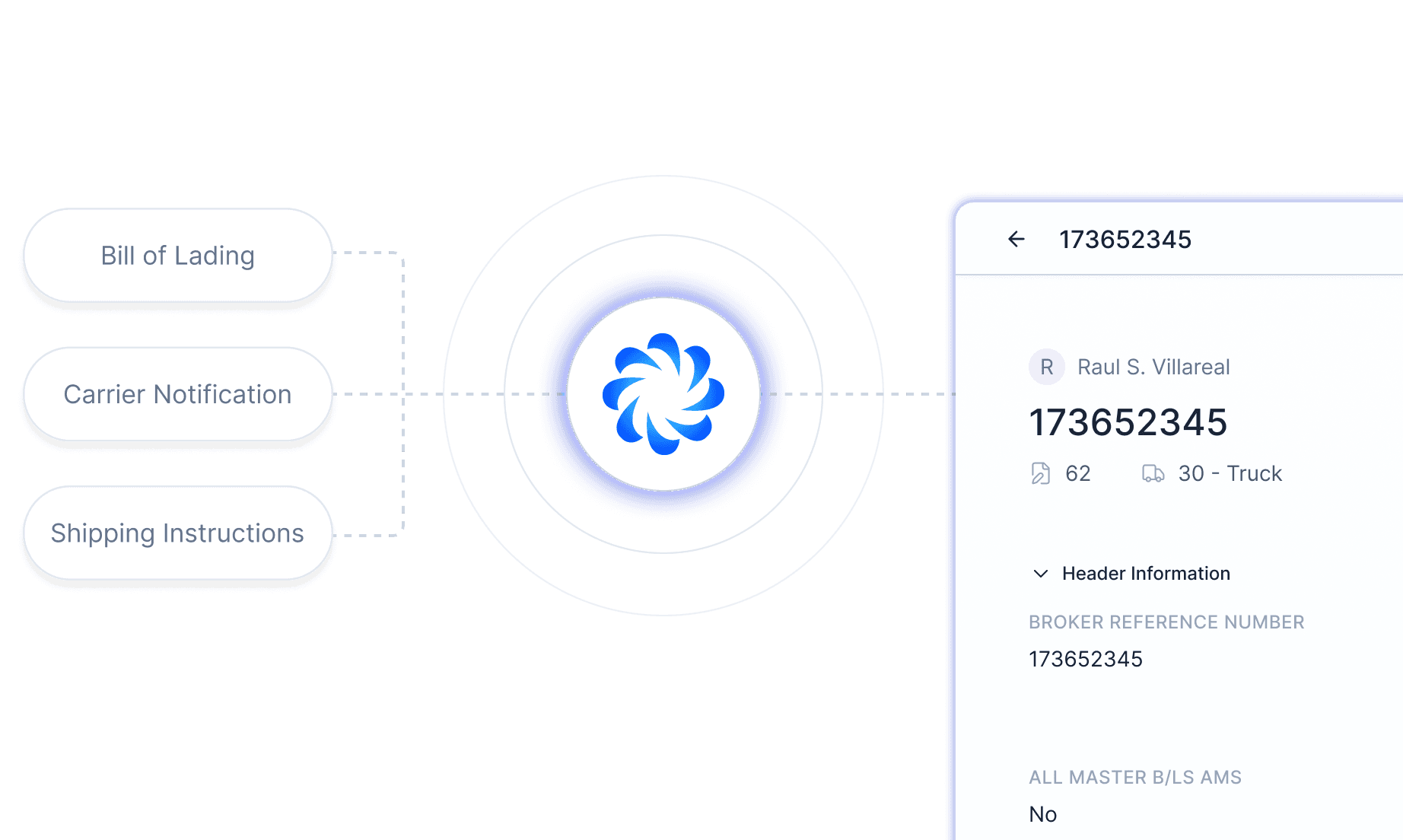
Drop in bills of lading, carrier notifications, and shipping instructions as PDFs, scanned images, or spreadsheets. Cervo accepts documents from email forwarding, drag-and-drop, or API integration with your existing systems.

2

AI Extracts and Classifies In-Bond Data

The AI reads each document and extracts all required in-bond fields—bond type (IT, T&E, or IE), port of arrival, destination port, carrier information, commodity descriptions, and quantities. Each extraction includes a confidence score so your team knows exactly where to focus review.

3

Validate Against CBP Requirements

Before any filing is submitted, Cervo validates all fields against CBP in-bond rules. Missing data, format errors, and inconsistencies are flagged automatically. Deadline calculations are checked to ensure the movement can be completed within the required timeframe.

4

File and Track Through Completion

Approved in-bond filings are transmitted through your ABI system. Cervo continues tracking each movement through arrival at the destination port, alerting your team to approaching deadlines and feeding confirmed data directly into 7501 entry processing.

Capabilities

Built for Customs Brokers Who Handle In-Bonds at Volume

Cervo's in-bond automation is purpose-built for the complexity of multi-port cargo movements and the precision CBP demands.

All In-Bond Types Supported

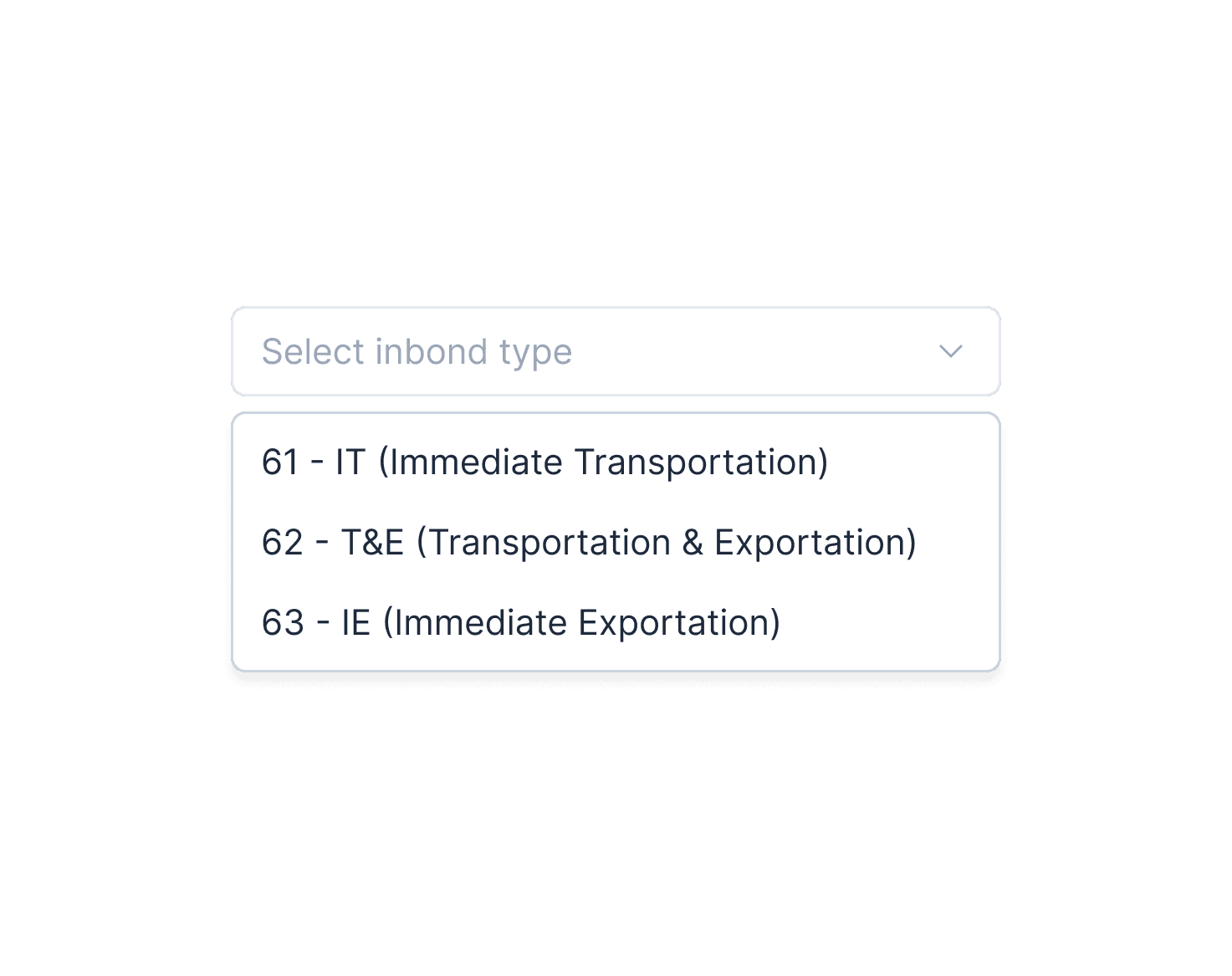
Process Immediate Transportation (IT), Transportation and Exportation (T&E), and Immediate Exportation (IE) bonds through a single workflow. The AI recognizes bond type from document context and applies the correct field requirements automatically.

Automated Deadline Tracking

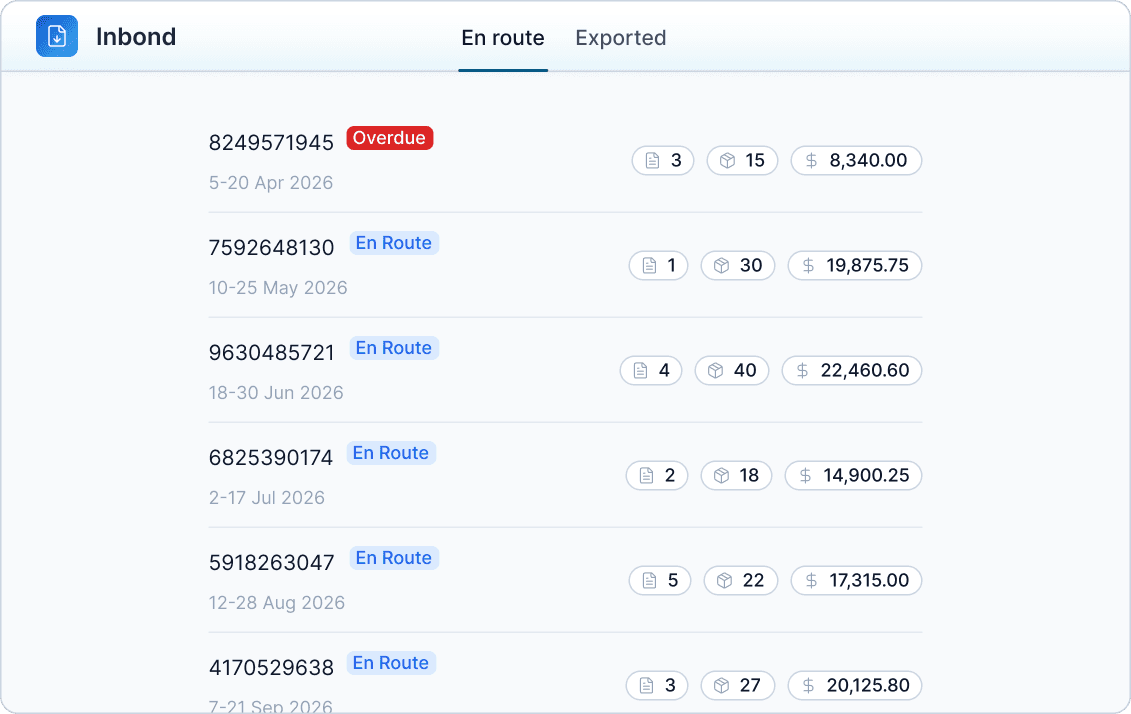
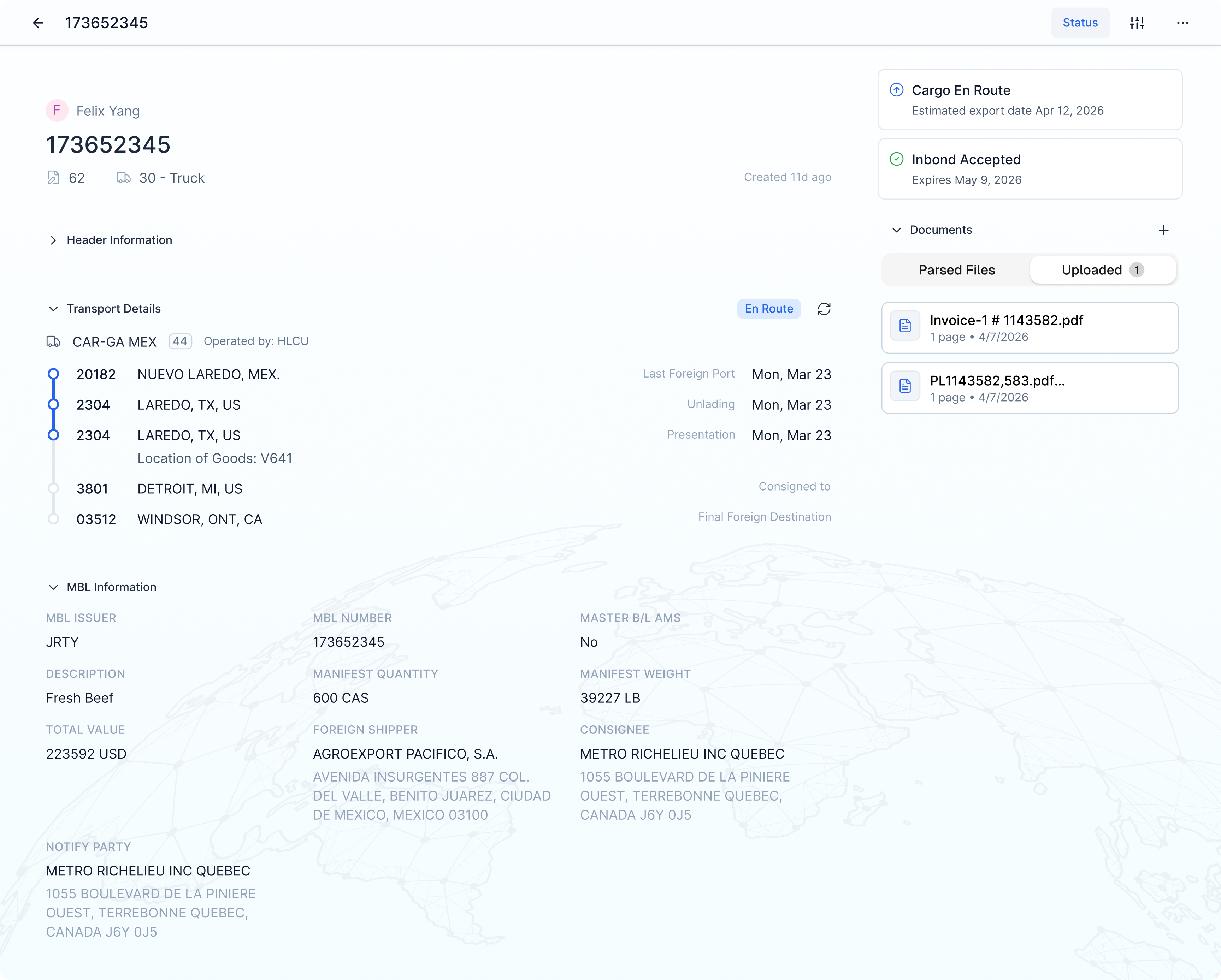
Every in-bond movement is monitored from filing through arrival confirmation. The platform calculates deadlines based on bond type and route, sends alerts as deadlines approach, and flags overdue movements before they become compliance issues.

Multi-Port Reconciliation

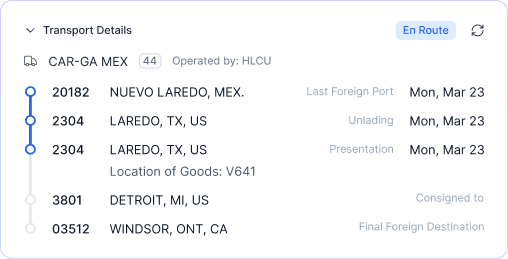
Track cargo across multiple ports and reconcile arrival records with departure filings automatically. No more manually checking whether in-bond shipments arrived on time at the destination port or chasing carriers for confirmation.

Seamless Entry Integration

In-bond data flows directly into 7501 entry preparation. When cargo arrives at the destination port, commodity data, party information, and carrier details are already populated in the entry workflow—eliminating redundant data entry.

Confidence Scoring on Every Field

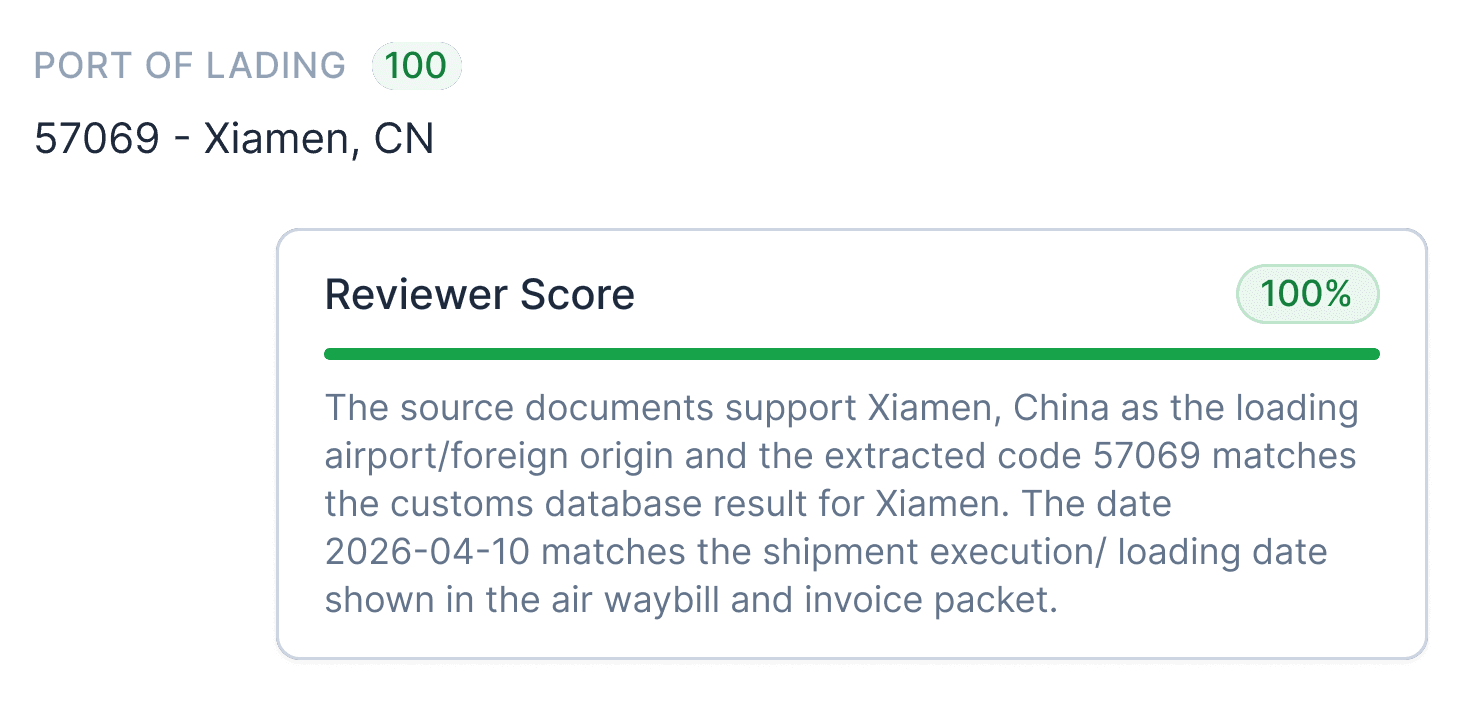
Each extracted value includes a confidence score and explanation. Your team reviews with full context rather than re-checking every field from scratch, reducing review time while maintaining the accuracy CBP requires.

Enterprise Security

SOC2 Type 2 and ISO 27001 certified. All trade data is encrypted in transit and at rest. Audit trails and role-based access controls meet the requirements of the most security-conscious importers and brokerages.

Results

Results Customs Brokers See with In-Bond Automation

Brokerages using Cervo for in-bond automation report measurable improvements in processing speed, compliance accuracy, and team capacity.

80%+
Reduction in in-bond processing time
10,000+
Movements processed in parallel
45 days
Full implementation timeline
FAQs

Frequently Asked Questions

CTA Background

Ready to Automate In-Bond Processing?

See how Cervo AI handles IT, T&E, and IE in-bond movements using your actual shipping documents. Schedule a live demo and get a tailored implementation plan in 30 minutes.
Automate Inbonds | Customs AI | Cervo