Cervo's Agentic AI extraction engine goes beyond traditional OCR - reading customs documents the way an experienced broker would, understanding context, structure, and meaning across any format. No templates. No pre-training. No document restructuring required.
Every shipment arrives with a stack of documents in different formats from different shippers. Your team manually reviews each page, keys data into your ABI system, and cross-checks values across documents. A single entry can require 30 to 60 minutes of data processing before classification and compliance work even begins.
The challenge compounds at scale. A mid-size brokerage processing 200 entries per day dedicates thousands of staff-hours each month to what is fundamentally a data extraction task. New importers bring new document formats. Staff turnover means re-training. And every manually keyed field is another opportunity for a costly error.
Industry Reality
The average customs entry requires data from 4 to 7 separate documents. Brokerages report that 40-60% of total entry processing time is spent on data extraction and keying alone - before any classification or compliance review takes place.
Legacy OCR tools promised automation but delivered a different set of problems. Template-based systems break whenever a new shipper or format appears - which, for active brokerages, happens daily.
| Capability | Manual / Legacy OCR | Cervo Document AI |
|---|---|---|
| New document formats | Requires template setup | Handles out of the box |
| Handwritten / rescanned docs | Fails or low accuracy | 95%+ baseline accuracy |
| Multi-document cross-referencing | Manual comparison | Automatic matching |
| Decimal / comma format handling | Common error source | Auto-detects and converts |
| Document classification | Manual sorting | AI auto-classifies |
| Confidence scoring | None | Every field scored with explanation |
| Scaling to new importers | Weeks of template building | Immediate, zero configuration |
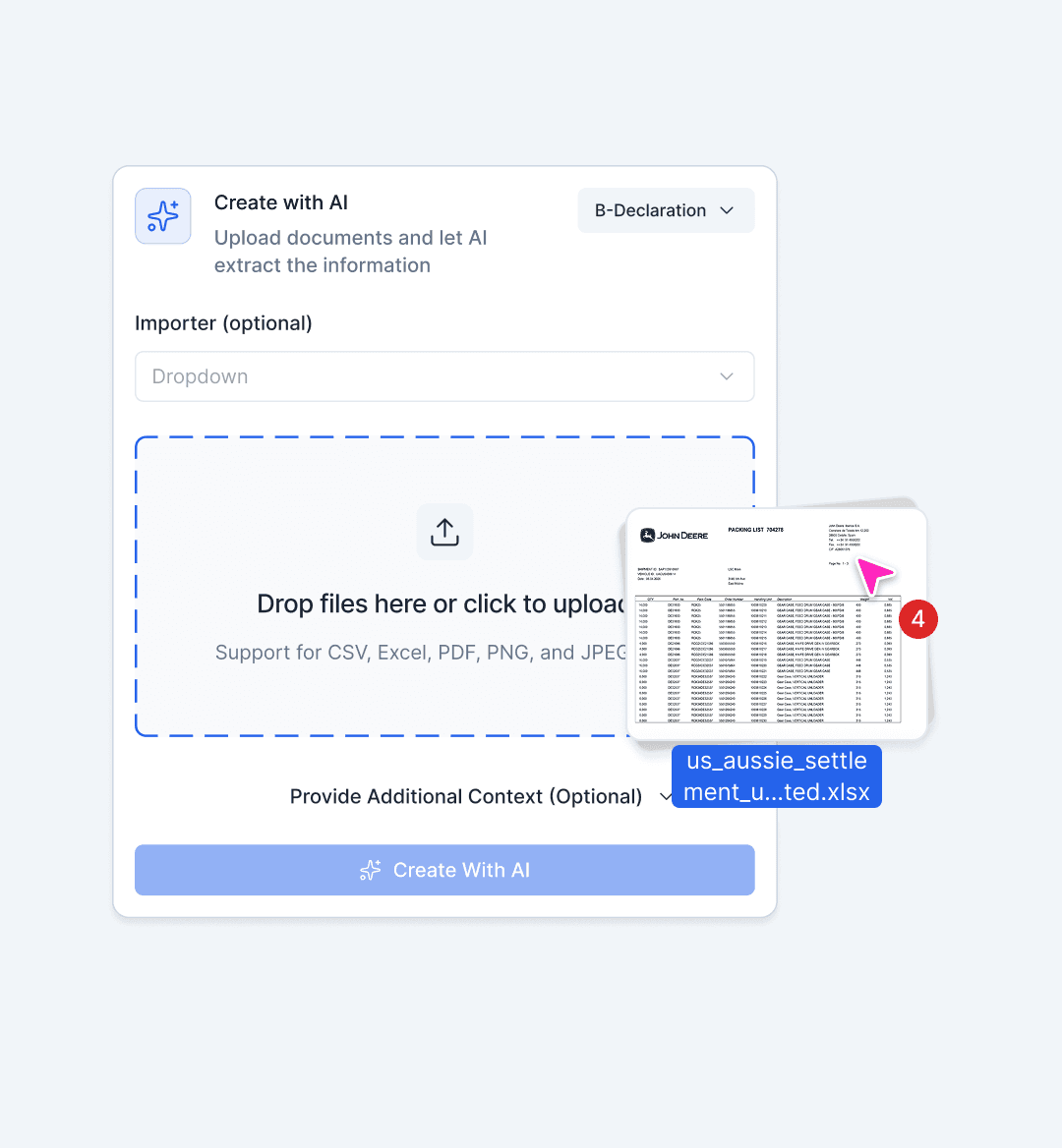
Upload a PDF commercial invoice from a new shipper, a JPEG of a handwritten packing list, or an Excel spreadsheet with merged cells. Cervo extracts the structured data you need without any setup.
Documents arrive via email forwarding, drag-and-drop upload, or API. Supported formats include PDF, PNG, JPEG, Excel (.xlsx, .xls), CSV, handwritten documents, rescanned copies, and multi-page combined files.
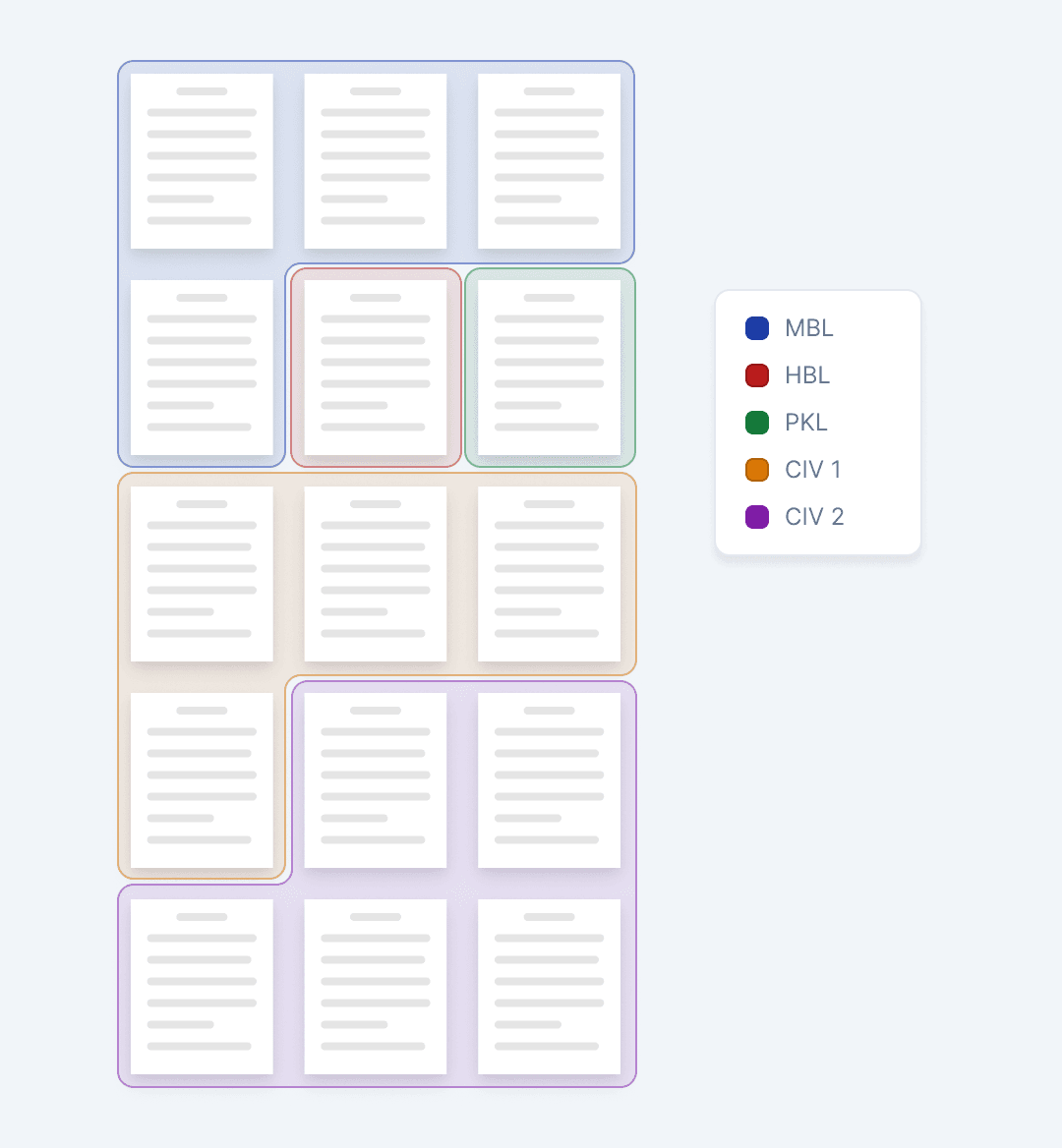
Receive a 40-page PDF containing three commercial invoices, two packing lists, and a bill of lading? Cervo automatically splits and classifies each section into its correct document type. No manual page-range selection required.
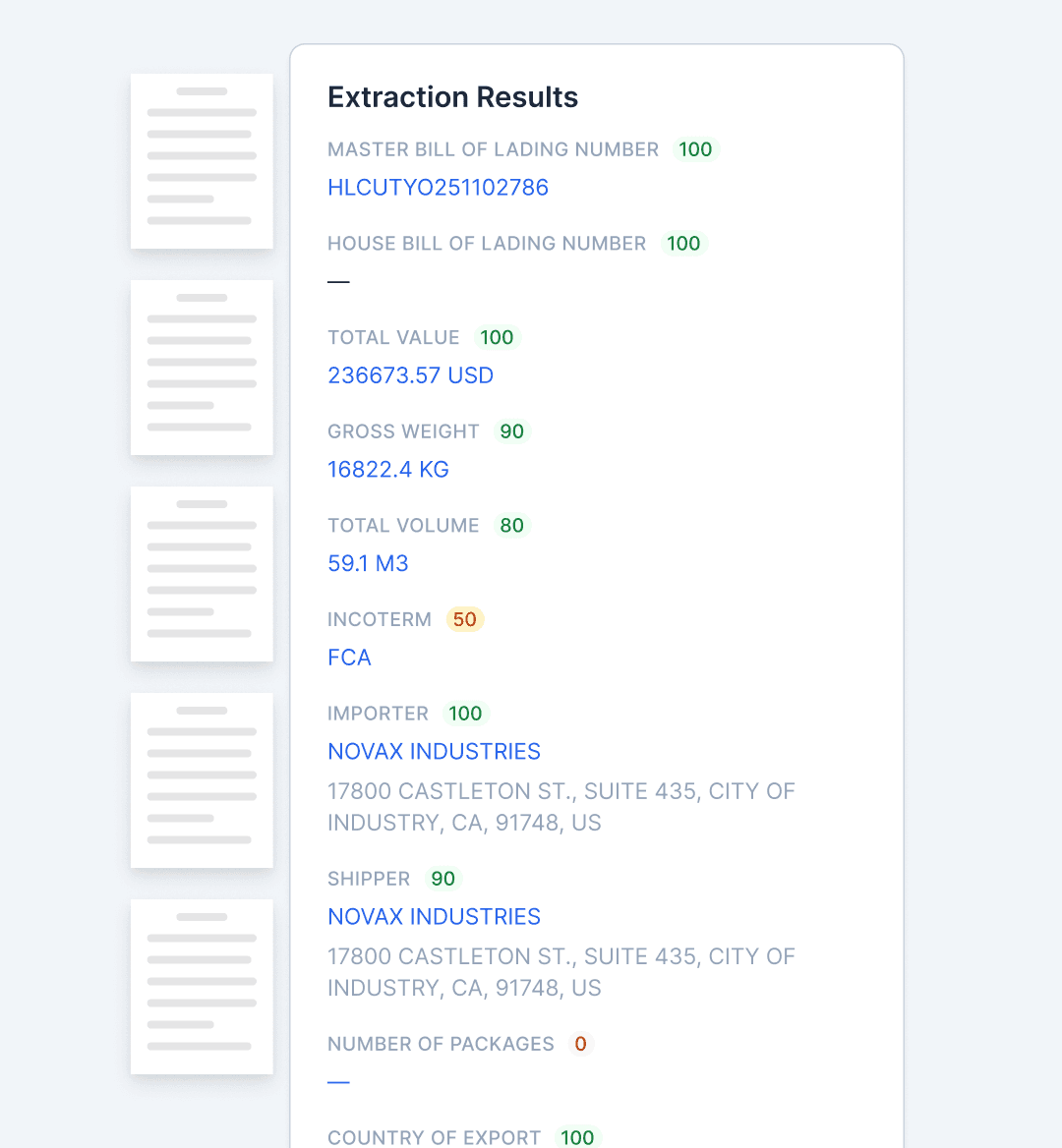
Cervo's Agentic AI - next-gen processing that goes beyond traditional OCR - reads each document and pulls structured data: line items, quantities, values, weights, part numbers, shipper details, consignee information, and every other field your entry workflow requires. It handles any document format without requiring you to restructure files beforehand. Every field carries a confidence score with a plain-language explanation. Entry writers can pull up the source document side-by-side to verify any extracted data point against the original, ensuring full traceability.
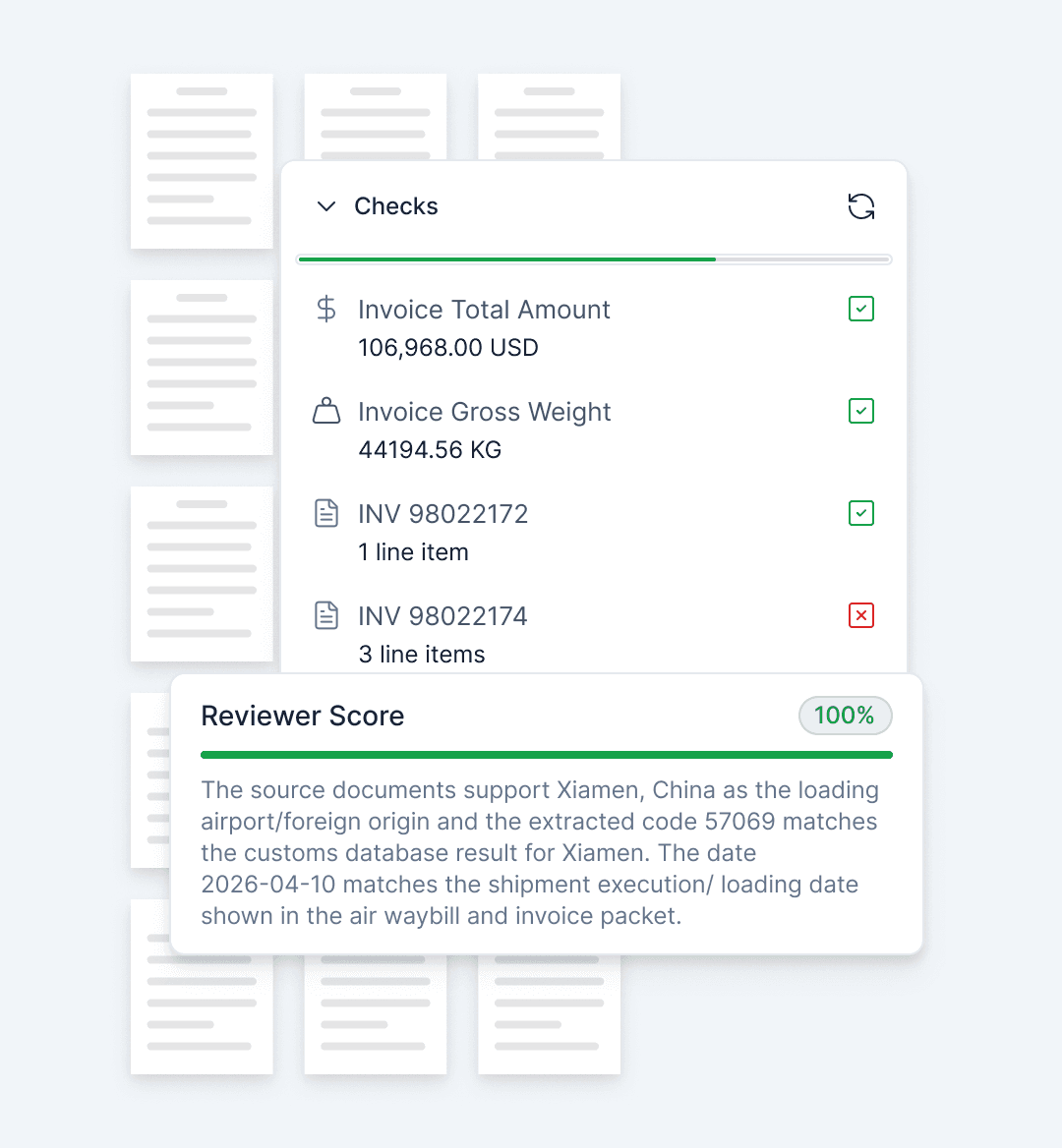
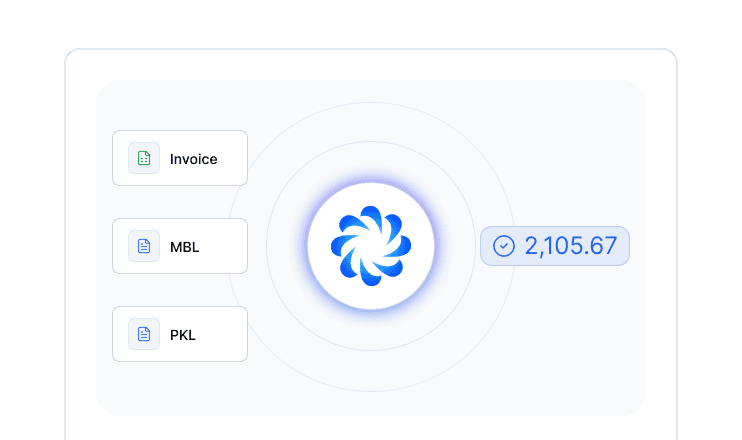
Invoice line items are automatically matched against packing list weights and quantities. BOL transport details are linked to arrival notice data. Discrepancies are flagged with clear explanations before they become downstream compliance issues.
Real shipments do not arrive as a single, neat package. Cervo handles the messy reality of customs document flow.
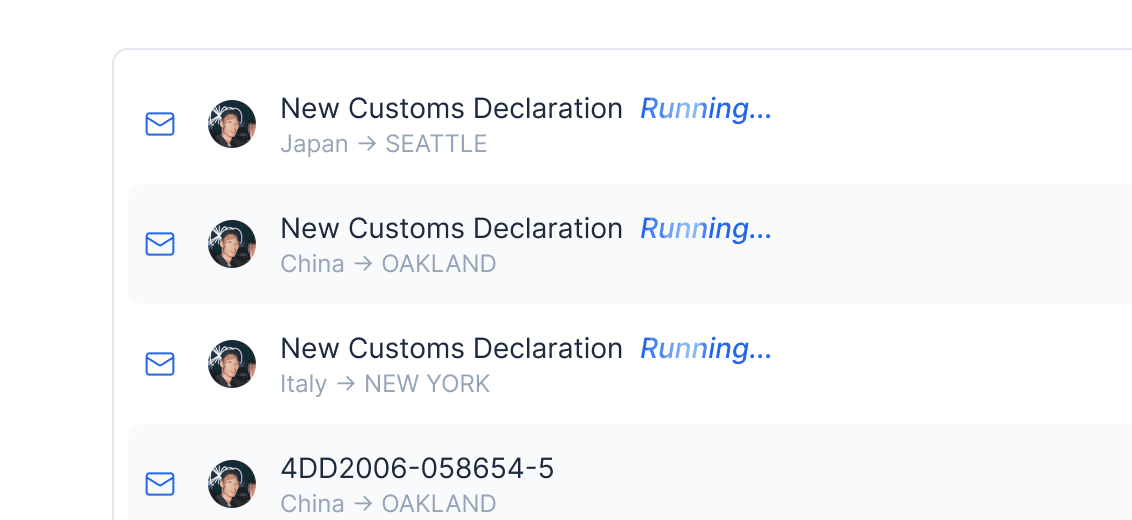
Documents for the same shipment often arrive across separate emails over hours or days. Simply forward emails from Gmail to a shared Cervo inbox and the AI automatically pulls documents from attachments, matches them to the right declaration, and begins processing. Cervo ingests each document as it arrives and sorts it into the correct file group - like an AI-powered manila folder system for every entry.
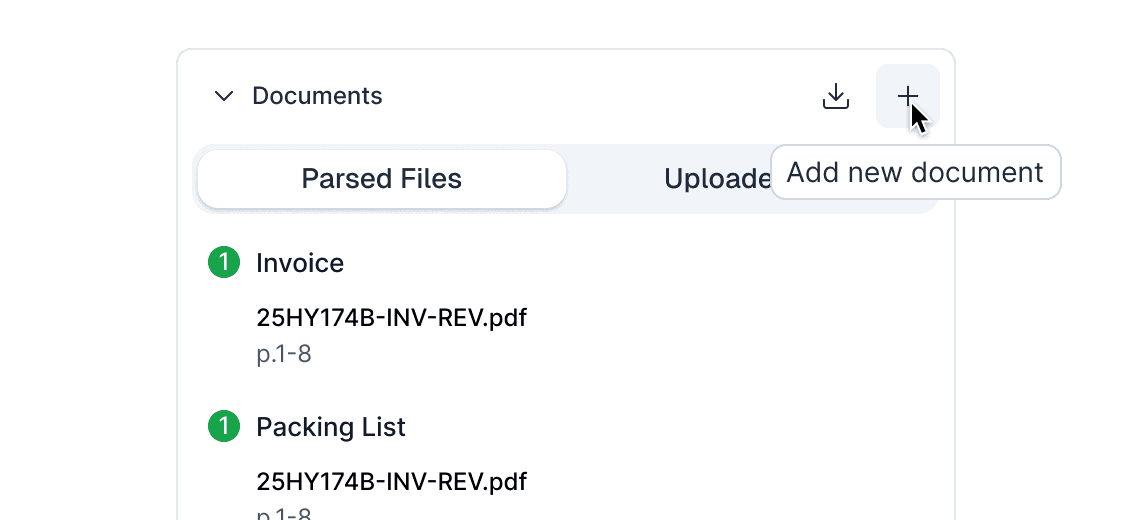
When a missing document finally arrives, upload it and Cervo retroactively fills in the data gaps. You can add documents to existing declarations at any point - even after processing has started. For example, when an arrival notice comes in after the initial filing, the system updates the extracted data accordingly. No need to restart processing. The new data is cross-referenced against everything already extracted for that entry.
Invoice values are automatically reconciled against packing list weights and quantities. When a declared weight conflicts with the packing list, Cervo flags the discrepancy before it reaches your ABI system.
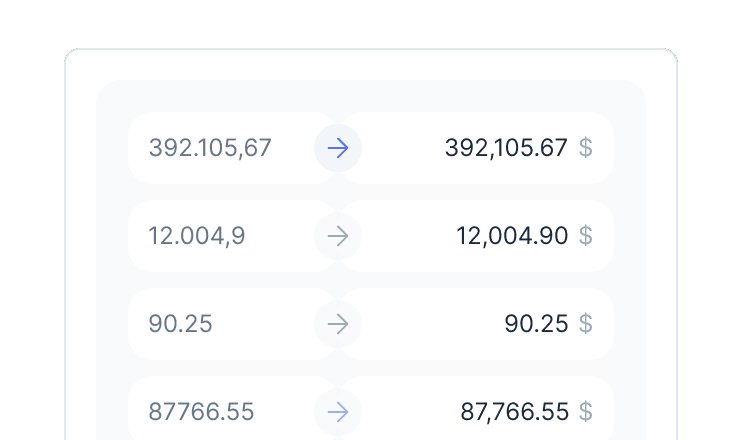
European decimal and comma format conversions are handled automatically. Currency symbols, unit abbreviations, and date formats from any country are normalized to your ABI system's expected format.
Cervo does not just extract data - it delivers it in the exact format your downstream systems expect.
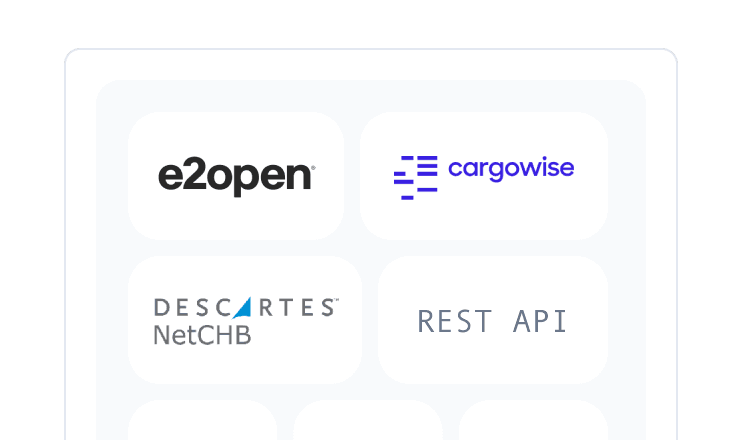
Real-time integration with your existing entry management system via documented REST endpoints.
Structured XML formatted to match ABI system schema requirements for direct import into CargoWise, One View, NetCHB, and other platforms.
Automated file delivery to your SFTP server on a schedule or per-entry trigger.
Flat file exports for legacy systems, audit trails, and bulk data analysis.
Automated data extraction is the foundation. See how Cervo applies it to specific customs workflows.
Turn extracted data into completed CBP Form 7501 entries with AI-assisted classification and compliance validation.
Extract all 10+2 data elements from shipping documents for faster, more accurate Importer Security Filings.
Populate in-bond data from extracted transport and shipment details across IT, T&E, and IE movements.